
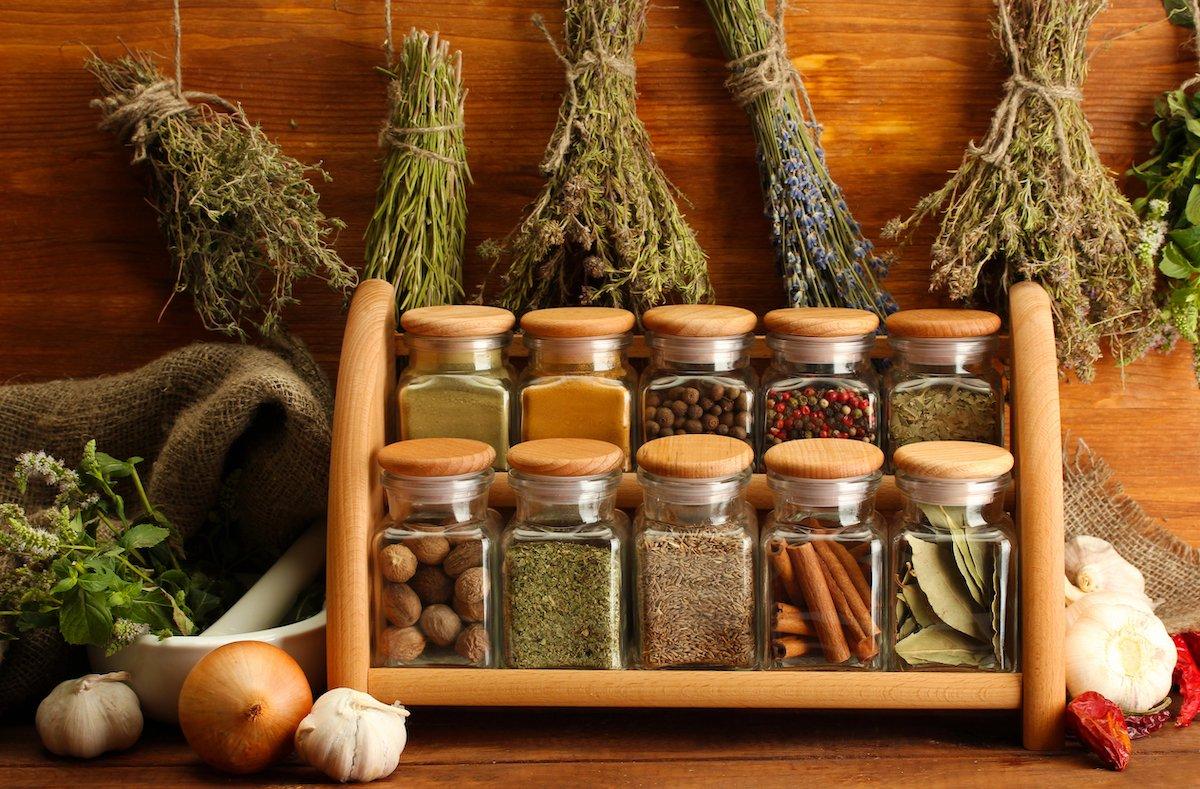
How to Store Spices Properly to Preserve Their Freshness and Flavour
Open your black pepper jar and take a sniff. If the smell is dull and flat, the pepper is fine. It was just stored the wrong wayThis happens in most kitchens. Once you learn how to store spices properly, it stops. Your food tastes better, your spices last longer, and it costs you nothing extra.
Spices are full of natural oil. That oil holds the smell and the taste. Store them badly, and the oil slowly goes away.
At Berac Condiments, we work with Kerala spices every day. Ours come straight from the farms in Idukki, farm to table. But even the best cardamom goes dull if the jar is left open near a hot stove. So here is what we have learned.
Why Proper Spice Storage Matters
Spices are not cheap. No one buys them to let them sit and fade on a shelf. But that is what happens when you store them wrong. The colour fades. The smell gets weak. The taste goes flat.
Then you start adding more and more, just to get the old taste back. That is money going to waste. Store them well, and you save both the flavour and your money.
How Heat, Light, Air, and Moisture Affect Spices
Four things spoil your spices:
- Heat melts the oil that gives the smell.
- Light fades the colour and strength.
- Air dries them out slowly.
- Moisture makes clumps, and sometimes mould.
In Kerala, moisture is the biggest problem. In the monsoon, loose powder can turn into a hard lump if the lid is not tight. Keep these four away, and you have won most of the fight. This is the base of the Proper Spice Storage Methods we follow.
The Best Containers for Storing Spices
Airtight is the main rule. Glass jars with tight lids are our top pick. They do not hold old smells or stains.
Ceramic jars are good too, because they block light. Steel dabbas work fine on a shelf. Just make sure the lid seals well. A loose lid loses freshness fast.
Where Should You Store Spices in the Kitchen?
Most people keep their masala on the shelf above the stove. It is close and easy, but it is the worst spot. Heat rises, so the spices slowly cook up there.
Keep them in a cool, dark, dry cupboard instead. Away from the stove and the window. A closed drawer is even better. This small change is one of the easiest Spice Storage Tips we can give you.
How to Store Whole Spices for Longer Freshness
When it comes to How to Store Whole Spices, whole is always best. Peppercorns, cardamom pods, cloves, and cinnamon sticks keep their oil safe inside.
Store them in sealed jars in a dark cupboard. Grind only what you need, right before you cook. This one habit is the best trick for How to Preserve Spice Flavor, and it takes almost no time.
How to Store Ground Spices Properly
Ground spices are weaker, so How to Store Ground Spices needs more care. Once crushed, air reaches every part of them. That is why they fade faster.
Use small jars so less air gets in. Buy a little at a time and finish it in a few months. And never shake the jar over a hot pot. The steam sends moisture right back in.
How to Keep Kerala Spices Fresh and Aromatic
Fresh Kerala Spices are special. Our cardamom and pepper come from the Idukki hills, full of oil. That is why they smell so good. Take care of them, and they stay fresh for months.
Keep them away from strong smells like onion and garlic powder. Spices pick up smells fast. Ours reach you fresh, farm to table, and a little care keeps them that way.
Common Spice Storage Mistakes to Avoid
A few small habits spoil good spices:
- Keeping jars above the stove
- Using a wet spoon inside
- Buying more than you can use
- Leaving lids half open
- Keeping jars near a sunny window
Fix these, and your spices last much longer.
How to Check Whether Spices Are Still Fresh
Your nose tells you first. Rub a pinch between your fingers and smell it. If it is faint or flat, the taste is mostly gone.
Look at it too. Dull and grey means it is past its best. Fresh spices smell strong and look bright.
Tips to Maintain the Aroma and Flavor of Spices
Here is our simple routine for How to Keep Spices Fresh at home:
- Buy whole when you can
- Grind in small batches
- Write the date on each jar
- Keep everything cool and dark
- Wipe the lid before closing
Do this, and you will always know the Best Way to Store Spices in your kitchen.
Why Buying Fresh, Quality Spices Matters
Here is the thing people forget. Storage can only protect what was good to start with. If a spice was stale on day one, no jar can fix it.
That is why ours come straight from Idukki farms, farm to table, with nothing sitting in between. When you Buy Kerala Spices Online from us, you start with real freshness. That is what makes every storage tip work.
Conclusion
Good cooking really starts in the cupboard. Once you know How to Store Spices Properly, you keep the smell, colour, and taste that make food feel like home.
Take care of your spices, and they will take care of your cooking. And when you want the real thing, straight from our Idukki farms to your table, we at Berac are always here for you.
Frequently Asked Questions
1. What is the best way to store spices at home?
Keep them in airtight glass or ceramic jars, in a cool, dark, dry cupboard, away from heat and sunlight.
2. Should spices be stored in the refrigerator?
Usually no. The fridge brings in moisture, and most spices do not like it. A dry cupboard is safer.
3. How long do whole spices stay fresh?
For How Long Do Spices Stay Fresh, whole spices can last two to four years if sealed and stored well.
4. How long do ground spices retain their flavor?
Ground spices are best within a year. Most stay good for about six months.
5. Can spices be stored in plastic containers?
For a short time, yes. But plastic takes in smells and lets air in. Glass or ceramic is much better.
6. How can you tell if spices have lost their freshness?
Just smell and look. A weak smell and a dull colour mean it is time to change them.